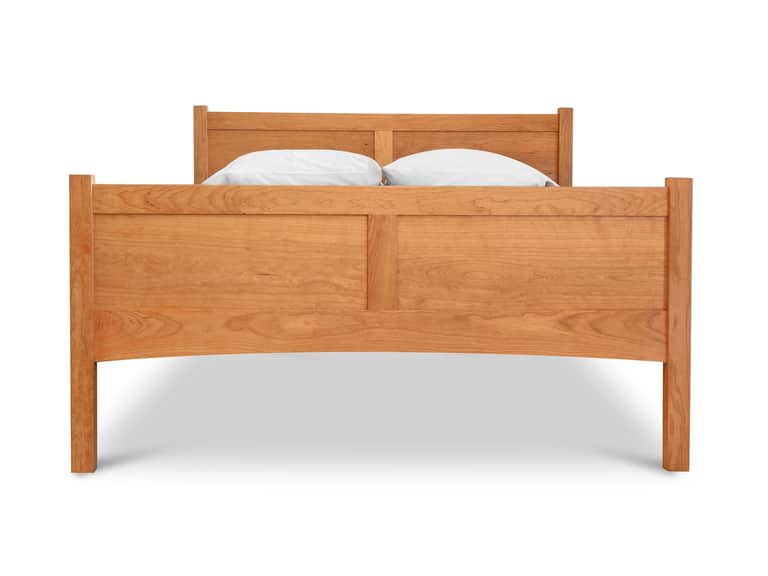
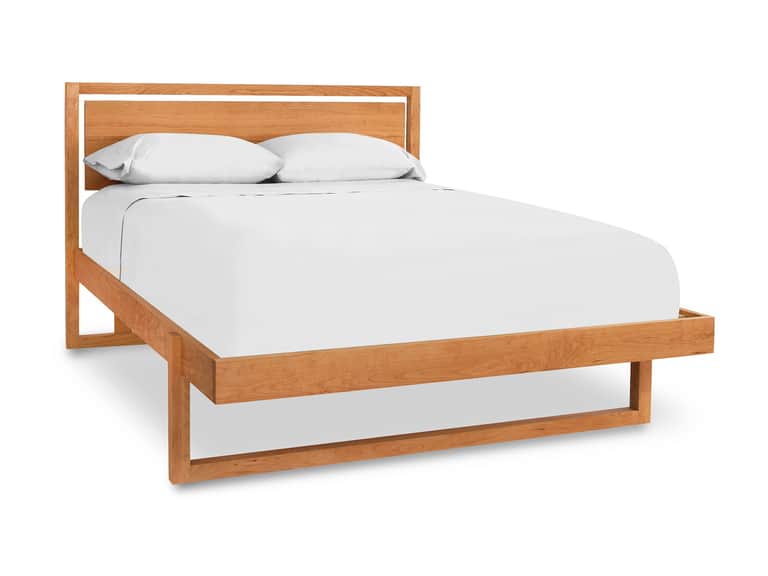
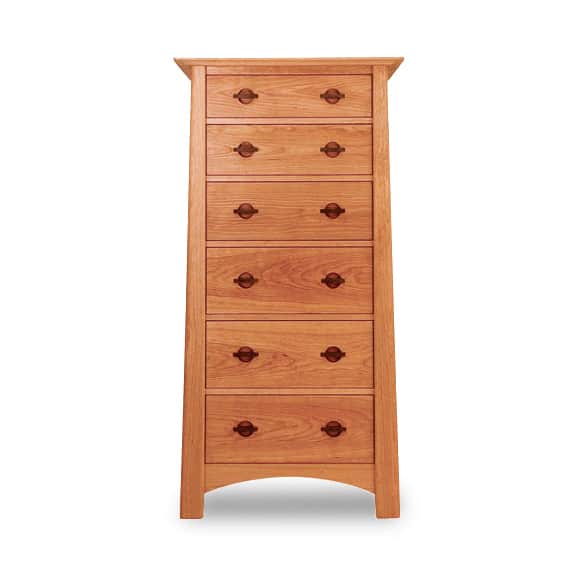
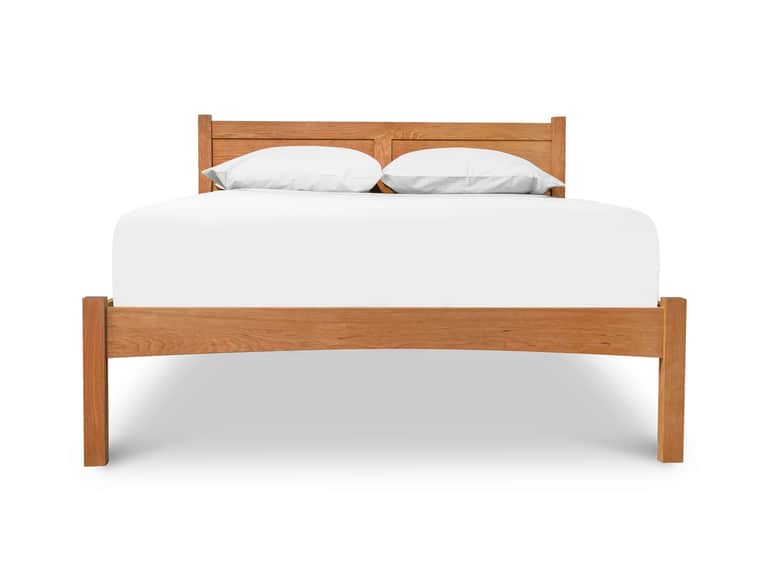
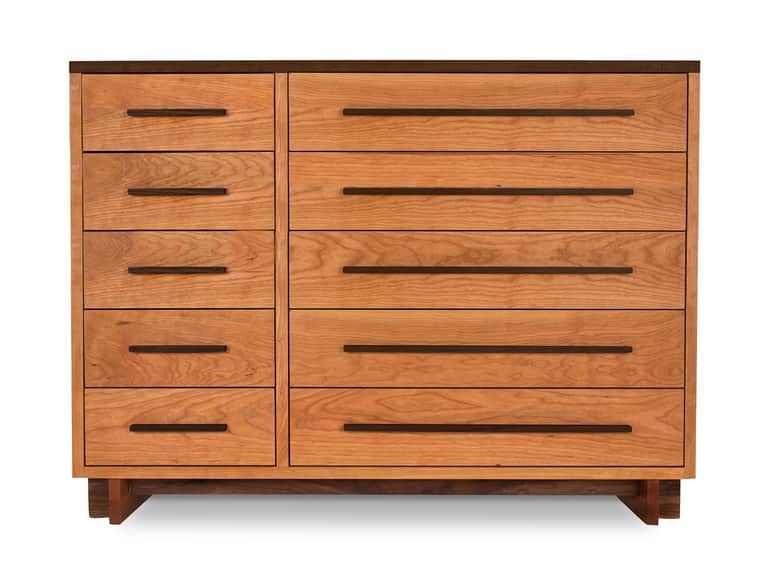
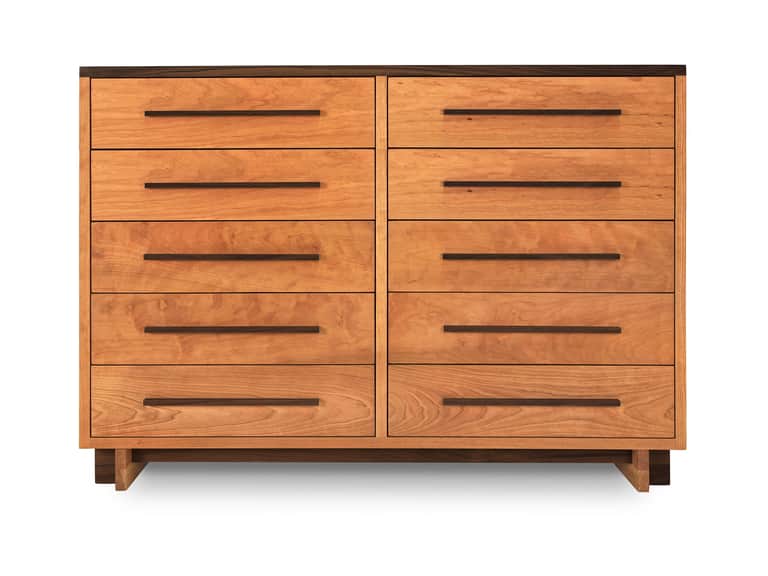
Bedroom furniture encompasses essential components designed to support rest, organization, and daily routines. This category highlights how pieces like beds, dressers, nightstands, and storage-focused items integrate function with aesthetics. Understanding materials, construction quality, and ergonomics helps users select durable options that fit both space and style considerations in residential bedrooms.
Key features of bedroom furniture include stable frame construction, appropriate weight capacity, and thoughtful hardware that reduces wear over time. Wardrobes and dressers often utilize drawer slides with smooth action and resilient finishes, while beds vary in height and under-bed clearance to accommodate different mattresses, sleepers, and room layouts, enhancing overall comfort and usability.
Materials commonly used in this category range from solid wood to engineered composites, each offering different durability, maintenance needs, and environmental considerations. Finishes such as veneers, laminates, and painted surfaces influence longevity and ease of cleaning, making it important to match material properties with household use, climate, and care routines.
In addition to storage and sleeping surfaces, functional versatility is a hallmark of modern bedroom furniture. Multi-functional pieces, including nightstands with built-in charging options or modular systems with adjustable components, support organization and workflow while maintaining a cohesive aesthetic across formal and casual spaces.
Within this category, recognizable items like chairs, sectionals, and sofas are referenced to illustrate how seating and surface furnishings interact with sleeping areas. For example, a modern American dining table demonstrates design principles such as proportion, leg support, and surface resilience that inform broader furniture choices for living and sleeping environments.
 Furniture