Comforters serve as essential bedding layers that provide warmth, softness, and an inviting aesthetic to sleep environments. They are designed to be lightweight yet insulating, with materials ranging from cotton blends to hypoallergenic synthetics. Properly chosen comforters balance temperature regulation, durability, and ease of care to support everyday comfort and restful sleep.
In this category, comforters emphasize practical usability and safe construction. Features such as quilted stitching, edge piping, and fill distribution contribute to even warmth and reduced shifting. Understanding fabric weight, thread count, and care instructions helps users select pieces that maintain loft and softness through repeated laundering and daily use.
For durability and versatility, many comforters pair with a variety of bedding foundations, including sheets and duvet covers. Fabric choices like brushed microfiber and cotton provide breathability, while synthetic fills offer hypoallergenic properties. This educational overview highlights how material composition influences comfort, insulation, and long-term performance in a sleeping environment.
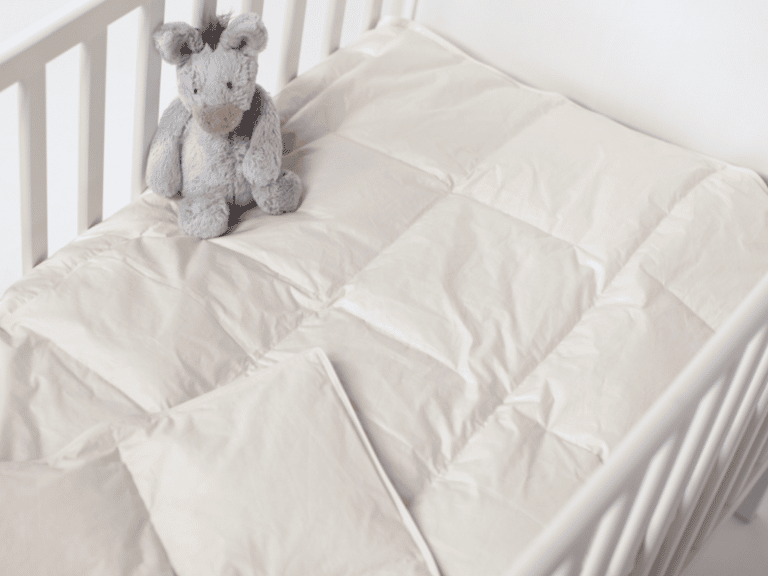
Notable product considerations include size compatibility, seasonal adaptability, and maintenance requirements. The Fiona Ultra-Lightweight Crib exemplifies compact design with safety-focused details and gentle insulation suitable for infants. It demonstrates how restraint in weight and materials can still achieve reliable warmth and easy handling for caregivers.
Overall, comforters integrate textures, warmth, and care practicality to support restful sleep. By examining fill types, fabric finishes, and construction quality, users can identify options that align with personal comfort preferences, room aesthetics, and cleaning routines. Keywords such as furniture, chairs, sectionals, sofas, and formal reflect broader category relevance in interior environments.
 Bedding