Everyday Living · Furniture Care
A Guide to Casual Sofas That Suit Everyday Living
The best casual sofa is more than a soft place to land at the end of the day. It welcomes everyday routines, fits the way a room is used, and has the construction and care features to stay useful over time. Here’s how to look past first impressions and choose a sofa that feels right for real life.
A sofa tends to become the unofficial center of a home. It is where people gather for a weeknight meal in front of the television, read a book, stretch out after work, or make room for an overnight guest. That everyday role calls for a different kind of judgment than choosing a statement piece that is meant to be admired from across the room. Comfort matters, but so do frame quality, cushion support, upholstery, dimensions, and the practical details that make cleaning less of a production.
“Casual” does not have to mean careless or short-lived. It describes a relaxed approach to style and use: a sofa that feels inviting rather than formal, and whose design can accommodate the ordinary rhythms of a household. A thoughtful choice can help reduce premature replacement, especially when its materials and components can be maintained or repaired. This guide covers the essentials to consider before committing to a seat you may use every day for years.
Start with the way you actually live
Before comparing fabric swatches or debating cushion shapes, picture a typical day in your home. Who uses the sofa, and how? A household that gathers on it nightly has different needs from a single person who mostly uses it for reading. Pets, young children, frequent guests, and shared living spaces all affect the best choice. The goal is not to design around a fantasy version of life; it is to find a piece that can handle the routines already in motion.
Consider how people sit, too. Some like an upright position that makes conversation easy. Others prefer a deeper seat for lounging. If several people share the sofa, a long seat or a configuration with multiple cushions may offer more flexibility. A bench-style cushion can create a streamlined look, while individual cushions may be easier to rotate or reposition. Neither format is automatically better: the right answer depends on comfort, appearance, and how the seating will be used.
- Everyday seating: Look for support that feels comfortable during a full evening, not just during a quick showroom sit.
- Shared households: Think about how many people will usually sit together and whether a compact sofa or a larger model suits the room.
- Pets and children: Give extra attention to fabric performance, cleaning instructions, and removable covers where available.
- Guests and flexible use: Consider whether the sofa needs to support occasional sleeping or whether a separate guest arrangement makes more sense.
It can also help to notice what you dislike about your current seating. Maybe cushions flatten too quickly, the seat feels too deep, or light upholstery shows every mark. Those observations turn vague preferences into useful criteria. A sofa should fit your habits, not require the household to tiptoe around it.
Measure the room—and the route into it
A comfortable sofa is not comfortable if it overwhelms the room or cannot make it through the doorway. Measure the space available, including the distance from the sofa to coffee tables, walkways, windows, and other seating. Leave enough room for people to move naturally rather than squeezing past furniture. If you are considering a sectional, map the full shape, including the chaise or return, rather than measuring only the longest side.
Then measure the route from the entrance to the final room: hallways, stairs, elevators, and tight turns can all become part of the delivery puzzle. Check whether the legs are removable and whether the sofa’s sections or components can be moved separately. These details may seem minor in a product description, but they can make a major difference on delivery day and later if you rearrange or move.
Seat height and depth deserve a place on the checklist. A lower seat can create a relaxed profile, while a higher one may make getting up and down easier for some people. Seat depth affects posture: a very deep seat may feel luxurious for lounging but leave shorter users without comfortable back support. If possible, test the sofa in person and sit in your usual position. If shopping remotely, compare the listed dimensions with a chair or sofa you already find comfortable.
Look underneath the relaxed silhouette
The exterior gives a sofa its personality; the frame and support system do much of the work behind the scenes. Ask what the frame is made from and how it is constructed. Hardwood frames are common in well-built sofas, but a material label alone cannot tell you everything about durability. Joinery, bracing, and overall workmanship matter, too. A sofa’s longevity depends on how its parts work together—not on a single impressive-sounding specification.
Seat support is equally important. A supportive foundation helps cushions perform as intended and can affect whether the sofa feels steady or begins to sag with use. Product descriptions may identify webbing, spring systems, or other construction details. If information is unclear, ask the retailer or manufacturer what the support system is and whether it can be serviced. A clear answer is more helpful than broad claims about a sofa being “built to last.”
Pay attention to what can be maintained or replaced. Can the seat cushions be turned or rotated? Are cushion covers removable? Are replacement cushions, covers, or legs available? These questions point toward repairability, a useful part of sustainable furniture choices. If one component wears out while the rest of the sofa remains sound, replacing or repairing that part may extend the furniture’s useful life and keep it out of the waste stream longer.
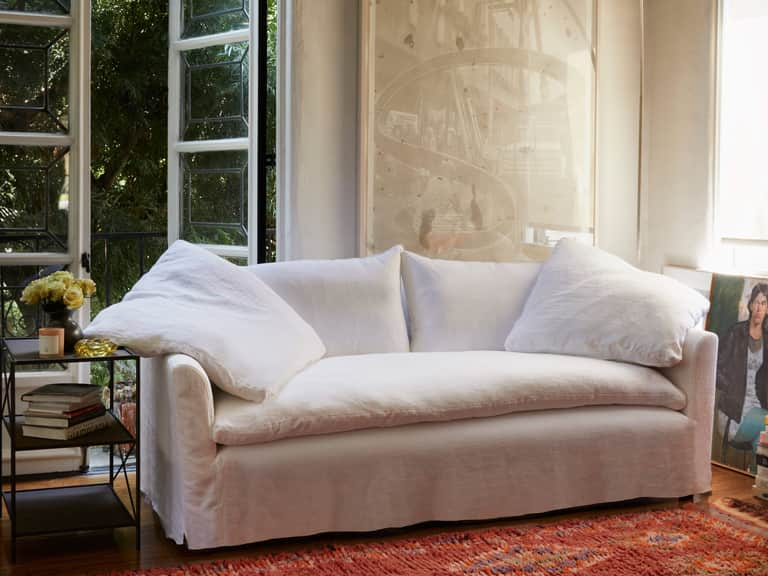
For example, the Cisco Home Donato Sofa is described with an FSC-certified hardwood frame, an eight-way hand-tied support system, removable legs, and a slipcover option. Those details can make it easier to assess how construction and care features align with your priorities. They are not a guarantee of a particular lifespan: how a sofa performs also depends on household use, maintenance, and the care instructions for its materials.
Choose upholstery for use, not just appearance
Fabric is often the first thing people notice, and for good reason. It sets the tone of the room, affects how the sofa feels, and influences the kind of care it needs. But the most appealing swatch is not automatically the best match for your household. Consider how much use the sofa will get, whether spills are likely, and what cleaning methods the upholstery allows.
Different upholstery fibers and weaves respond differently to friction, sunlight, moisture, and stains. A tightly woven fabric may be a practical direction for a busy room, while some textured or delicate materials may need more careful handling. Performance treatments can help with particular cleaning concerns, but they do not make every stain disappear or remove the need to follow manufacturer guidance. Check the cleaning code and care instructions before buying, and ask whether the fabric can be spot-cleaned, professionally cleaned, or laundered if it is part of a removable cover.
Color and pattern can influence how everyday wear appears. A very light, plain fabric may show spills more readily, while an extremely dark surface may reveal lint or dust. A subtle pattern or a mid-tone color can sometimes make small marks less noticeable, though no fabric is entirely maintenance-free. If possible, inspect a sample in the light where the sofa will sit. Natural daylight and evening lamps can make the same color look quite different.
Think about what you are comfortable maintaining. A washable slipcover may be appealing in a home where spills are part of life, but confirm precisely what “washable” means: check the label, removal process, and care requirements. Upholstery that cannot be removed may still be suitable, provided its cleaning needs are manageable. Ease of care is not a feature in isolation; it is a match between a sofa’s instructions and the time and equipment you have available.
Cushions: the feel of comfort and the work of support
Cushions shape a sofa’s comfort from the moment you sit down. Some feel soft and enveloping, while others offer a firmer, more upright sit. The right feel is personal, but cushion construction helps explain why a seat behaves as it does. Fill materials, internal cores, and upholstery all influence softness, resilience, and how much maintenance is needed.
A plush cushion can feel wonderfully relaxed, but it may need regular fluffing or repositioning to keep its appearance even. A firmer cushion may feel more supportive at first, though comfort varies from person to person. Ask whether cushions have a core, whether the fill can be replenished, and whether the seats can be rotated. These details help you understand the care routine as well as the initial feel.
Test the sofa in more than one position if you can. Sit upright, lean back, and try the seat for long enough to notice whether your feet rest comfortably and whether the back cushions offer support. A quick perch may not reveal whether the sofa works for an entire evening. If several household members will use it, invite them to try it, too; an appealing sofa should be comfortable for the people who actually share it.
Make sustainability practical
Sustainable furniture is not simply furniture with one environmental feature. It is a broader question of materials, manufacturing, useful life, repair options, and what happens when an item is no longer needed. Choosing a durable sofa that suits your home can help avoid a cycle of replacement. A piece that can be cleaned, repaired, or re-covered may remain useful through changing tastes and circumstances.
Look for specific, verifiable details rather than relying on a vague green label. For wood, check whether a certification such as FSC applies to the frame or another clearly identified component. Ask what the sofa’s upholstery and cushion materials are, and whether the maker offers parts or service support. If sustainability claims are important to your decision, look for information that explains what is certified, what is recycled or renewable, and which parts of the product the claim covers.
Buying the largest or most expensive sofa is not automatically the sustainable choice. The better fit is one that meets your needs without excess, works within your space, and is likely to remain useful as routines change. A timeless shape can help, but comfort and repairability matter just as much. When a sofa is no longer right for one room, consider whether it can be moved to another, donated, resold, or repaired before disposal.
Care habits that help a sofa stay welcoming
Regular care does not need to be elaborate. A few consistent habits can help upholstery and cushions look better and make small issues easier to address before they worsen. Start by following the maker’s instructions; cleaning methods suitable for one fabric may damage another. Avoid assuming that water, soap, or a household cleaner is safe for every surface.
- Vacuum gently: Use an upholstery attachment to remove crumbs, dust, and pet hair, paying attention to seams and creases.
- Blot spills promptly: Follow the fabric’s care guidance and blot rather than rubbing, which can spread a spill or affect the fibers.
- Rotate or rearrange cushions: If the design allows it, this can help distribute regular use more evenly.
- Protect from direct sunlight: Strong, prolonged sun can contribute to fading in some materials. Consider the sofa’s placement and window coverings.
- Check hardware and legs: Periodically inspect accessible connections and tighten them only as directed by the manufacturer.
- Address wear early: A small seam issue or loose component may be easier to repair before it becomes a larger problem.
Removable covers can make care more convenient, but they need the right treatment. Before washing one, confirm the instructions and consider whether it may shrink or change shape. If a cover requires professional cleaning, factor that into your long-term plan. Maintenance is most successful when it feels realistic enough to repeat.
A simple checklist before you decide
With a few key questions in hand, comparing sofas becomes less about marketing language and more about fit. Use this checklist when visiting a showroom or reading a product specification:
- Does the sofa fit the room, including walking space and nearby furniture?
- Can it be delivered through the home’s doors, stairs, and turns?
- Does the seat height and depth feel comfortable for the people who will use it?
- What are the frame and support components, and is the construction information clear?
- Can cushions, covers, or other parts be rotated, repaired, or replaced?
- Does the upholstery suit the household’s cleaning needs and tolerance for visible wear?
- Are the care instructions specific and manageable?
- Are sustainability claims tied to identifiable materials, certifications, or practices?
- Will the shape and scale still make sense if the room’s layout changes?
It is also reasonable to ask about warranties, lead times, and what support is available after purchase. A warranty does not predict exactly how a sofa will perform, but its terms can clarify which issues are covered and for how long. Read the details, particularly the exclusions and maintenance requirements, rather than treating the word “warranty” as a substitute for product information.
A relaxed sofa can still be a considered choice
The appeal of a casual sofa is its invitation to settle in. It should feel at home in the everyday, not precious or difficult to use. That relaxed quality can coexist with thoughtful construction, responsible material choices, and a realistic care plan. The most satisfying choice is the one that feels good to sit on and continues to make sense once the excitement of buying something new has passed.
Start with how the sofa will be used, measure carefully, and give construction and upholstery the same attention you give color and shape. Ask whether the components can be maintained, and choose care features that fit your actual routine. Those decisions can turn a sofa from a temporary styling fix into dependable furniture—welcoming today, adaptable tomorrow, and less likely to be replaced before its time.